Erosion Repair Services for Property Owners
Visitors can learn about erosion repair services and compare local contractors who handle these projects.
- - Residential property owners seeking erosion repair solutions for yards, gardens, or driveways.
- - Commercial property managers needing erosion stabilization for parking lots, walkways, or landscaping.
- - Landowners and developers looking for local contractors to address erosion issues on construction sites or large parcels.
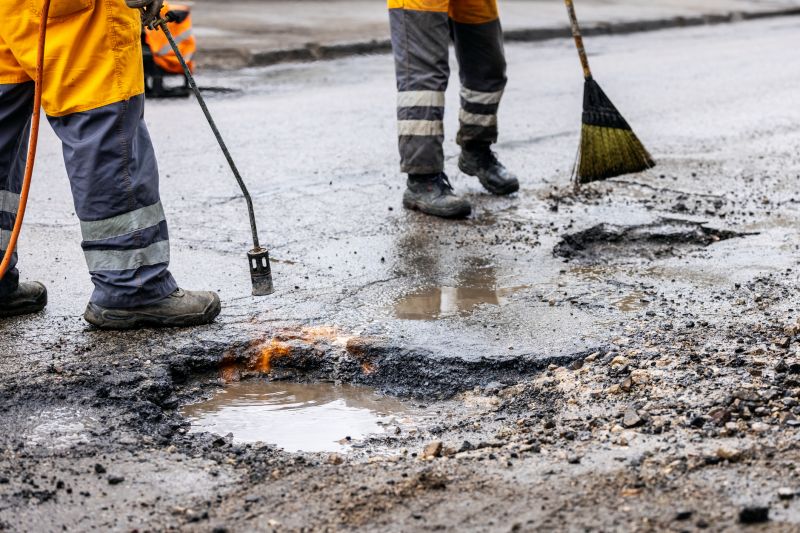
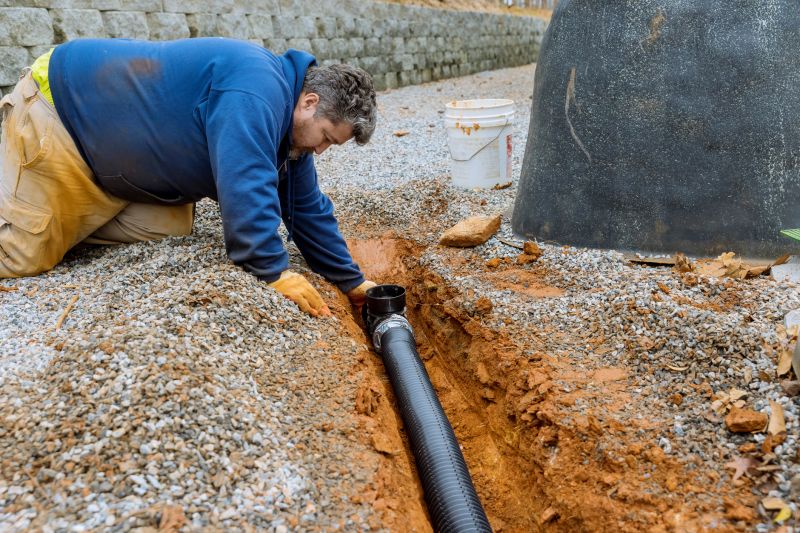
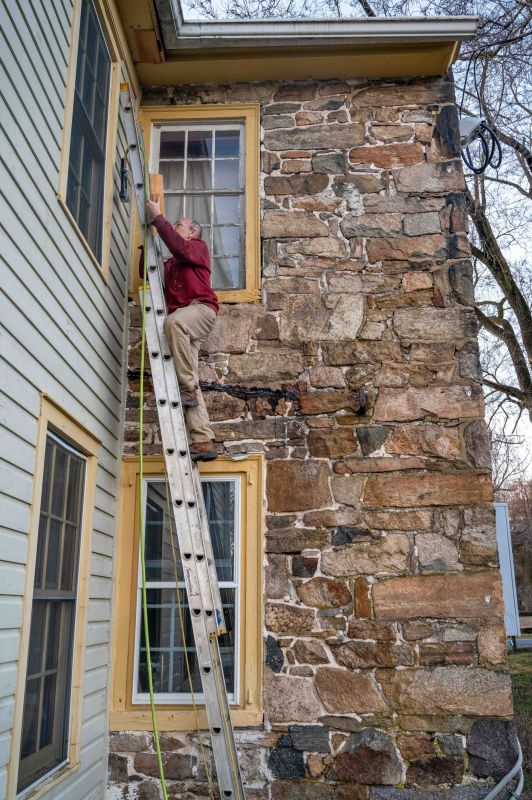
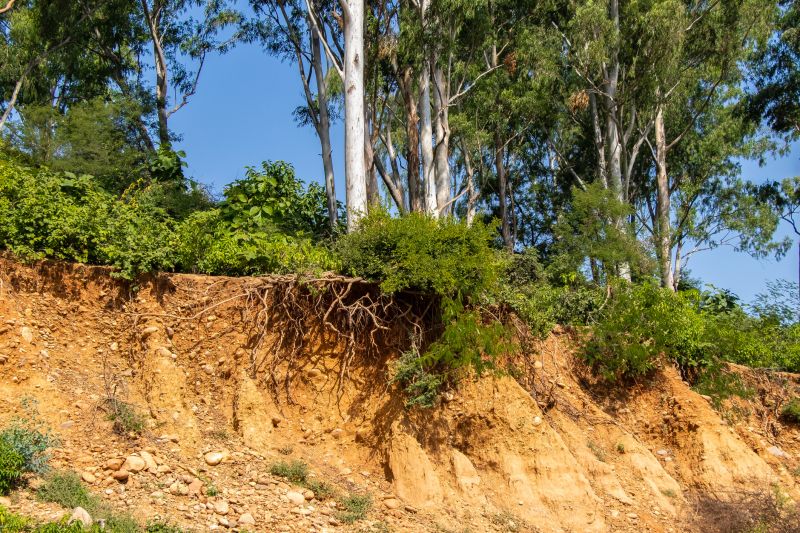
Erosion repair services are essential for property owners dealing with soil loss, foundation concerns, or landscape instability caused by natural elements or poor drainage. Local contractors specializing in erosion control typically assess the affected areas, identify the underlying causes, and recommend appropriate solutions such as soil stabilization, retaining walls, or drainage improvements. These professionals have experience handling a variety of erosion issues, helping to protect properties from further damage and maintain their structural integrity.
When seeking erosion repair assistance, property owners can connect with experienced local service providers who offer a range of solutions tailored to specific site conditions. These experts focus on effective, practical methods to restore land stability, often working with materials and techniques suited to the local environment. By comparing local contractors, property owners can find the right professionals to address erosion challenges efficiently and effectively.
This guide provides helpful information to understand erosion repair needs and considerations. It assists in comparing local contractors and service providers to find the right fit for your project. The focus is on equipping you with the basics to connect with qualified professionals in your area.