Farm Clearing in Houston, TX
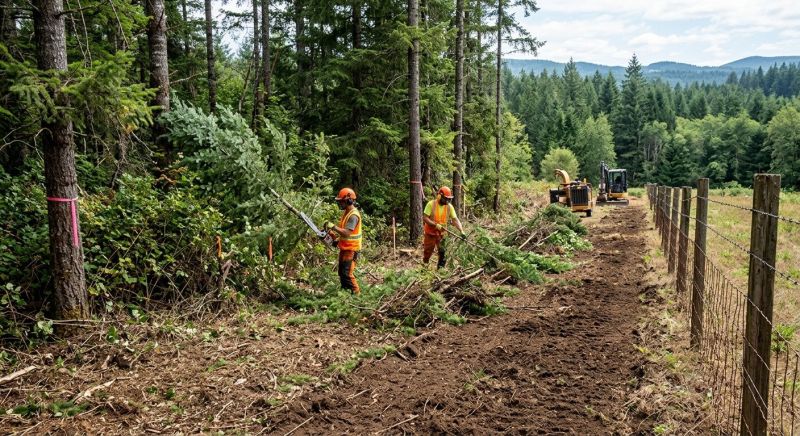
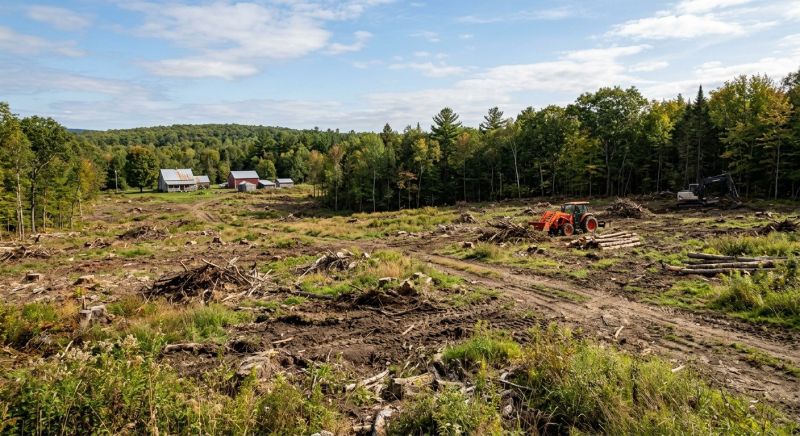
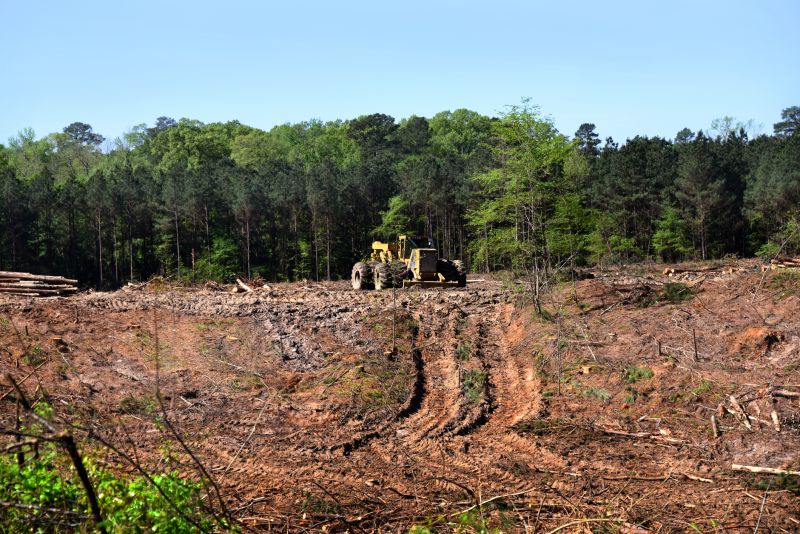
Farm clearing services involve removing unwanted vegetation, debris, and structures from rural or agricultural properties to prepare land for new use or improve accessibility. These projects can include clearing overgrown fields, removing old fencing, dismantling sheds or barns, and leveling uneven terrain. Homeowners and property owners typically seek this service when they need to restore land for farming, construction, or recreational purposes, or when clearing is necessary to meet zoning or development requirements.
Before requesting farm clearing, property owners should consider the extent of the area to be cleared, the types of vegetation or structures involved, and any local regulations or permits that may be required. Understanding the scope of work and the condition of the land can help ensure the project proceeds smoothly and meets specific goals. It is also helpful to clarify any concerns about debris disposal, environmental restrictions, or potential impacts on neighboring properties during the planning process.
Many property owners in Houston, TX look into Farm Clearing for repairs, replacements, upgrades, and appearance-related improvements.
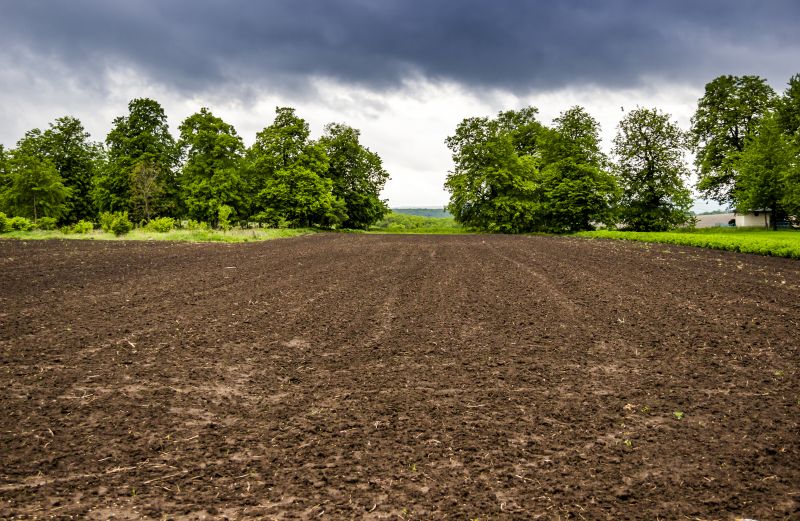
Site Preparation And Land Clearing
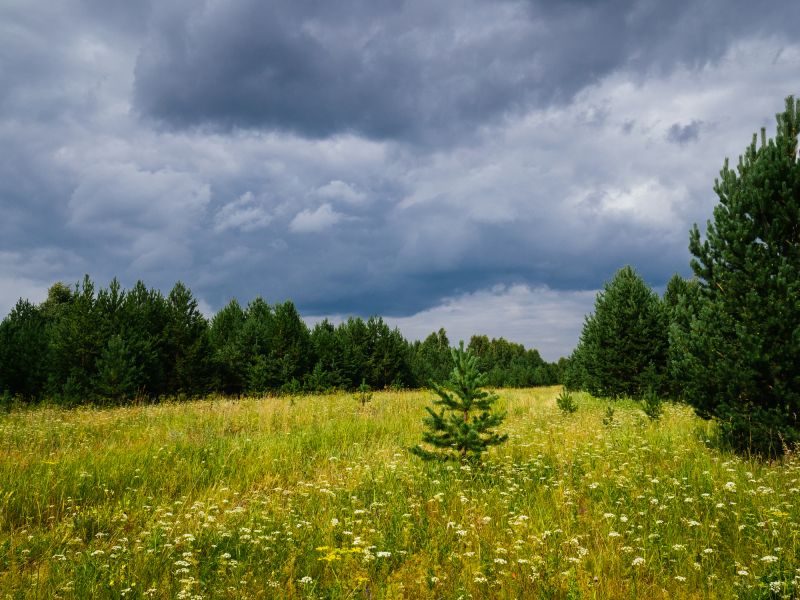
Preparing land for construction, farming, or development by removing trees, brush, and debris.
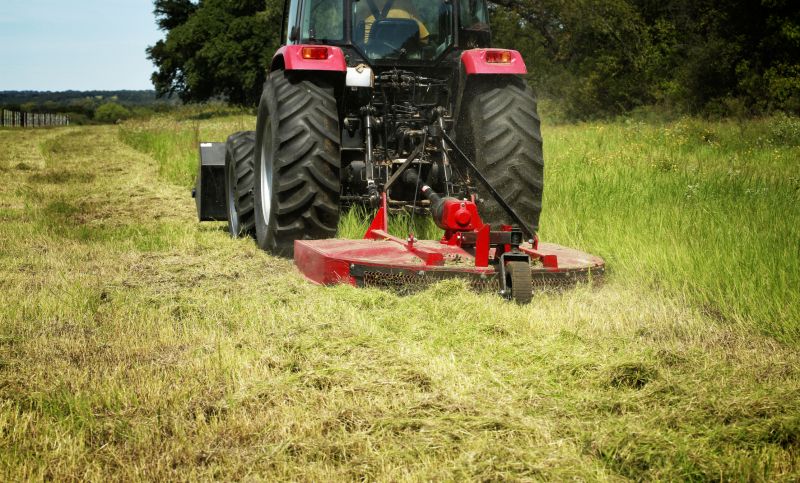
Overgrown Vegetation Removal
Clearing dense brush and unwanted vegetation to improve property accessibility and safety.
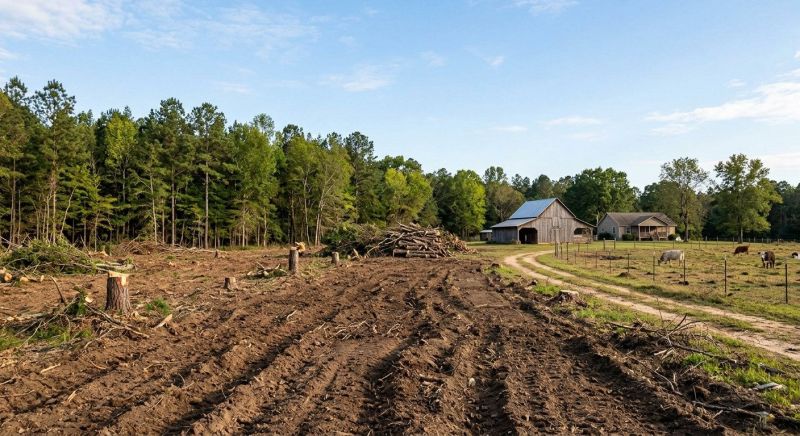
Stump And Root Removal
Removing remaining tree stumps and roots to create a clean, level surface for future use.
Farm Clearing in Houston, TX
Farm clearing services involve removing unwanted vegetation, debris, and structures from rural or agricultural properties to prepare land for new use or improve accessibility. These projects can include clearing overgrown fields, removing old fencing, dismantling sheds or barns, and leveling uneven terrain. Homeowners and property owners typically seek this service when they need to restore land for farming, construction, or recreational purposes, or when clearing is necessary to meet zoning or development requirements.
Before requesting farm clearing, property owners should consider the extent of the area to be cleared, the types of vegetation or structures involved, and any local regulations or permits that may be required. Understanding the scope of work and the condition of the land can help ensure the project proceeds smoothly and meets specific goals. It is also helpful to clarify any concerns about debris disposal, environmental restrictions, or potential impacts on neighboring properties during the planning process.
Many property owners in Houston, TX look into Farm Clearing for repairs, replacements, upgrades, and appearance-related improvements.
Common Farm Clearing Jobs
Farm clearing services involve removing trees, brush, and debris to prepare land for new use.
Vegetation removal helps clear overgrown areas for farming or development projects.
Stump grinding eliminates remaining tree stumps to improve land usability.
Land grading levels the terrain for proper drainage and construction readiness.
Debris hauling clears away cleared materials to leave the property clean and accessible.
Brush removal clears thick undergrowth to enhance safety and property appearance.
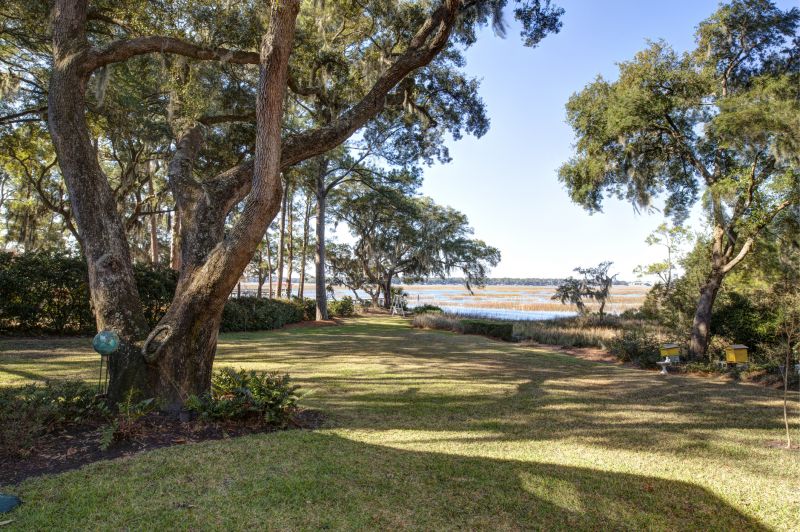
Farm Clearing Questions
What types of farm clearing projects are common? Typical projects include removing overgrown brush, clearing land for construction, and preparing fields for planting or development.
Is farm clearing suitable for large or small properties? Farm clearing services can accommodate properties of various sizes, from small plots to extensive farmland.
What equipment is used for farm clearing? Heavy machinery such as bulldozers, excavators, and loaders are commonly used to efficiently clear land.
What should property owners consider before requesting farm clearing? It's important to assess land access, identify any protected vegetation, and determine the desired level of clearing for the project.
Request Farm Clearing in Houston, TX
Use the quote form on this page to share the basics of your project and request more information for the type of work you need.